
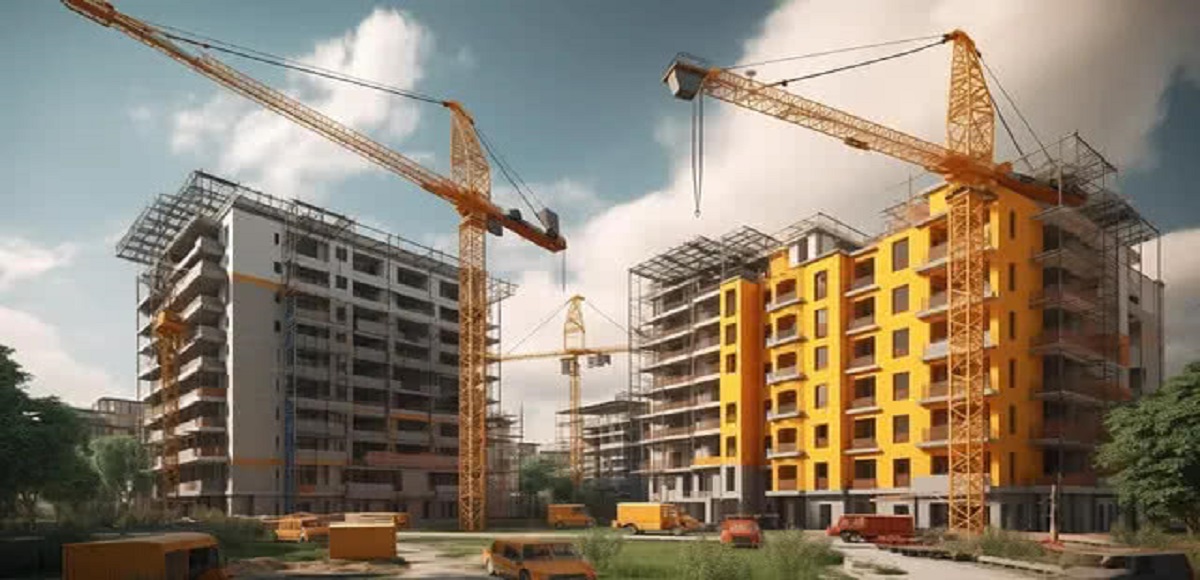
Constructing a brand-new building for a business — whether it’s an office, showroom, or headquarters — is an important investment. Below is a structured article for your website (for example, for Sheba Construction) that outlines key considerations and best practices for developing a modern, efficient, and future-ready commercial building.
Strategic Planning & Location Selection
Selecting the right site is one of the most critical first steps. A good location ensures accessibility for clients, employees, deliveries, and other visitors.
When you evaluate potential plots, consider: proximity to major roads or transport links, ease of commuting, and local zoning regulations. Compliance with zoning and building codes is essential to avoid legal delays or future complications.
Also, it’s wise to assess land characteristics — soil condition, drainage, natural environment, and orientation — which can influence structural stability, long-term durability, and comfort for occupants.
Design: Functionality, Flexibility & Brand Identity
A commercial building must serve practical business needs first. Layouts should optimize workflow, movement of people, and operational efficiency. Open floor plans, modular offices, and flexibility to reconfigure spaces make the building adaptable for future growth.
But function isn’t everything — aesthetic design and brand identity matter too. The building’s façade, interior finishes, color palette and overall design ambience contribute to a company’s image and client perception. A well-designed building can strengthen brand identity and leave a lasting impression.
Incorporating ample natural light, green zones (plants/outdoor landscaping), and comfortable communal spaces improves user experience, productivity, and satisfaction among employees and visitors.
Safety, Compliance & Technology Integration
Safety and compliance with local building codes (structural safety, fire safety, accessibility, etc.) must be non-negotiable. This includes proper foundation and roofing, fire exits and alarm/sprinkler systems, safe entry/exit points, and more — especially important in buildings meant for public or employee use.
Modern commercial buildings increasingly benefit from technological integration. Smart systems — such as automated lighting/HVAC, building-management systems (BMS), security systems (access control, CCTV), energy-efficient lighting, and climate control — can significantly improve the building’s operational efficiency and long-term cost-effectiveness.
These features also make maintenance easier, improve occupant comfort, and reduce energy consumption over time.
Sustainability & Long-Term Cost Efficiency
Sustainable design is no longer optional for modern commercial buildings — it’s increasingly expected. Using eco-friendly materials, efficient insulation, energy-efficient lighting, and proper ventilation contributes to lower energy costs and a healthier indoor environment.
Orientation of the building, usage of natural daylight, and consideration of climate-specific design (e.g. airflow, insulation) can reduce reliance on artificial heating/cooling, thereby cutting operational costs.
Moreover, a well-designed, sustainable building can retain higher property value, attract better tenants or clients, and serve as a long-term asset rather than a short-term structure. Aeforia Architects+1
Project Management, Budgeting & Future-Proofing
Effective planning and collaboration among architects, engineers, contractors and the client (i.e., your business) from the very start is essential. This includes initial feasibility studies, conceptual design, detailed drawings, compliance planning, and finally construction execution.
Budgeting must consider not only immediate costs (land, materials, labour) but also future maintenance, operational costs, and possible expansion or adaptation needs. Building with flexibility in mind (modular spaces, scalable infrastructure) ensures that the building can respond to future growth or changing business needs.
Also, choosing a qualified and experienced contractor — preferably one familiar with commercial building standards and compliance requirements — reduces risk of delays, structural issues, or legal hurdles.
Why Choose Sheba Construction
If you plan your commercial building project with Sheba Construction, these key principles will be embedded in the workflow:
Dedicated site evaluation to match location, accessibility, and regulatory compliance.
Thoughtful architectural and interior design that balances brand identity, aesthetic value, and functional efficiency.
Emphasis on safety, structural integrity, regulatory compliance, and smart building technologies.
Sustainable materials and energy-efficient design to lower long-term operational costs.
Transparent project management, realistic budgeting, and future-proof flexibility to accommodate business growth.
With these values, your company’s new building will serve not only as a workspace — but as a statement: of professionalism, vision, durability, and long-term commitment.